Hey there! As a supplier of powder coating plugs, I often get asked if these little guys can be used on different types of metal. Well, let's dive right in and find out.
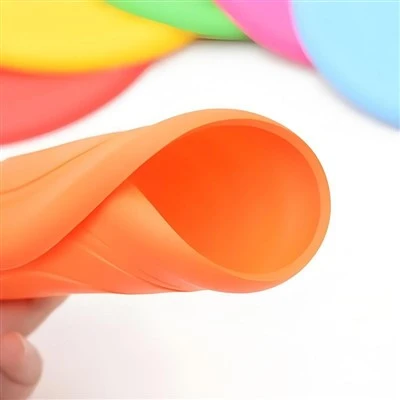
First off, what are powder coating plugs? They're essential tools in the powder coating process. They're used to mask off areas of a metal object that you don't want to get coated. Think of them as the protective shields for your metal parts during the coating party.
Now, when it comes to different types of metal, there are quite a few out there. We've got steel, aluminum, brass, copper, and more. Each of these metals has its own unique properties, and that can affect how well powder coating plugs work on them.
Let's start with steel. Steel is one of the most commonly coated metals. It's strong, durable, and widely used in various industries. Powder coating plugs work great on steel. The reason is that steel has a relatively smooth surface and good adhesion properties. The plugs can easily stick to the steel surface and provide a tight seal. This prevents the powder coating from seeping into the areas that you've masked off. Whether it's mild steel, stainless steel, or alloy steel, powder coating plugs can do the job.


Next up is aluminum. Aluminum is lightweight, corrosion - resistant, and has a high strength - to - weight ratio. It's used in everything from automotive parts to aerospace components. Powder coating plugs also work well on aluminum. However, one thing to note is that aluminum has a thin oxide layer on its surface. This layer can sometimes affect the adhesion of the plugs. But if you properly clean and prepare the aluminum surface before applying the plugs, they'll adhere just fine. You can use a mild solvent to clean the surface and remove any dirt, grease, or oxidation.
Brass is another metal that's often powder coated. Brass is an alloy of copper and zinc, and it has a beautiful golden color. Powder coating plugs can be used on brass, but you need to be a bit more careful. Brass has a relatively soft surface compared to steel and aluminum. If you press the plugs too hard, you might leave marks on the brass. So, when applying the plugs, use a gentle touch. Also, brass can react with some chemicals in the powder coating process, so make sure you choose the right type of powder coating and plugs that are compatible with brass.
Copper is a highly conductive metal that's used in electrical applications. When it comes to powder coating copper, powder coating plugs can be used. Copper has a tendency to oxidize quickly, which can affect the adhesion of the plugs. Similar to aluminum, you need to clean the copper surface thoroughly before applying the plugs. You can use a copper cleaner to remove the oxidation and then dry the surface completely.
Now, let's talk about some of the factors that can affect the performance of powder coating plugs on different metals. One of the main factors is the surface roughness of the metal. A rough surface can make it difficult for the plugs to form a tight seal. You might need to use a plug with a more flexible material or a different shape to ensure a good fit. Another factor is the temperature during the powder coating process. Some metals expand and contract more than others when heated. This can cause the plugs to loosen or shift. Make sure you choose plugs that can withstand the temperature changes of the specific metal you're working with.
In addition to these common metals, powder coating plugs can also be used on other metals like titanium, magnesium, and nickel alloys. Titanium is a strong and lightweight metal that's used in high - performance applications. Magnesium is the lightest structural metal and is used in the automotive and aerospace industries. Nickel alloys are known for their high - temperature resistance and corrosion resistance. For these metals, it's crucial to understand their specific properties and choose the appropriate powder coating plugs.
Now, I'd like to mention some of the other silicone products that we offer. We have Silicone Rubber Transformer Bushings, which are used in electrical transformers to provide insulation and protection. Our Oil Seal Rings are designed to prevent oil leakage in various mechanical systems. And our Silicone Sealing Ring can be used in a wide range of applications to create a tight seal.
So, in conclusion, powder coating plugs can be used on different types of metal. But you need to understand the properties of each metal and take the necessary steps to ensure proper adhesion and performance. If you're in the business of powder coating and need high - quality powder coating plugs or other silicone products, don't hesitate to reach out. We're here to help you with all your powder coating and silicone product needs. Whether you're a small workshop or a large manufacturing plant, we can provide the right solutions for you. Contact us to start a discussion about your specific requirements and let's work together to achieve the best results in your powder coating projects.
References
- "Powder Coating Technology" by David A. Biron
- "Metals Handbook: Properties and Selection: Nonferrous Alloys and Pure Metals" by ASM International