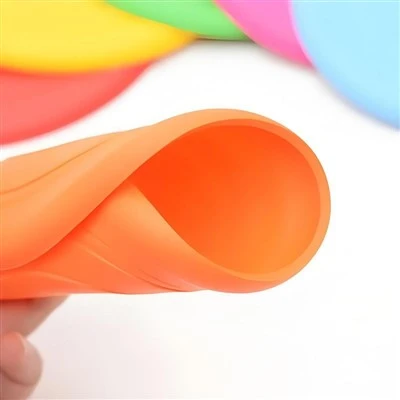
Hey there! As a supplier of silicone sealing rings, I often get asked whether these little guys can be used in refrigeration systems. It's a great question, and one that I'm more than happy to dive into.
First off, let's talk a bit about what silicone sealing rings are. They're made from silicone rubber, which is a synthetic elastomer known for its flexibility, durability, and resistance to a wide range of temperatures and chemicals. These rings are used in all sorts of applications to create a tight seal and prevent the leakage of fluids or gases.
Now, when it comes to refrigeration systems, there are a few key factors to consider. Refrigeration systems work by circulating a refrigerant through a closed loop, where it absorbs heat from one area and releases it in another. This process involves a lot of pressure changes and temperature fluctuations, so the materials used in these systems need to be able to handle these conditions.
One of the biggest advantages of silicone sealing rings in refrigeration systems is their temperature resistance. Silicone can withstand a wide range of temperatures, from extremely cold to quite hot. In refrigeration systems, where temperatures can drop well below freezing, silicone sealing rings can maintain their flexibility and sealing properties. This means they won't become brittle or crack, which could lead to leaks and system failures.
Another important factor is chemical resistance. Refrigerants are often chemicals that can be quite aggressive, and they need to be contained within the system. Silicone has good resistance to many common refrigerants, which means it can form a reliable barrier to prevent leaks. However, it's important to note that not all silicones are created equal. Some types of silicone may be more resistant to certain refrigerants than others, so it's crucial to choose the right grade of silicone for the specific refrigerant being used.
In addition to temperature and chemical resistance, silicone sealing rings also offer good sealing performance. They can conform to irregular surfaces, which is important in refrigeration systems where there may be joints or connections that aren't perfectly smooth. This ability to create a tight seal helps to ensure the efficiency of the refrigeration system by preventing the loss of refrigerant.
But it's not all sunshine and rainbows. There are a few potential drawbacks to using silicone sealing rings in refrigeration systems. One issue is that silicone can be permeable to some gases. In a refrigeration system, this could mean that over time, small amounts of refrigerant could leak through the sealing ring. This isn't usually a major problem, but it's something to keep in mind, especially in systems where even a small loss of refrigerant could affect performance.


Another consideration is that silicone can be affected by some lubricants and oils. In refrigeration systems, lubricants are often used to reduce friction and wear on moving parts. If the wrong type of lubricant is used, it could interact with the silicone and cause it to swell or degrade. So, it's important to choose a lubricant that is compatible with silicone.
So, can silicone sealing rings be used in refrigeration systems? The answer is yes, in many cases. They offer a lot of benefits in terms of temperature and chemical resistance, as well as sealing performance. However, it's important to do your homework and make sure you're using the right type of silicone for your specific application.
If you're in the market for silicone sealing rings for your refrigeration system, we've got you covered. We offer a wide range of silicone sealing rings that are designed to meet the needs of different refrigeration applications. And we're not just limited to sealing rings. We also have other silicone products, like the Silicone Door Seal Strip, which can be used in refrigeration equipment to provide additional sealing and insulation.
If you're looking for something a bit more specialized, we also offer Teflon O Rings. Teflon has its own unique properties, such as even better chemical resistance in some cases, and it can be a great option for certain refrigeration applications. And if you're in need of something for personal use in a refrigeration-related environment, like protecting your ears from noise, we have Flesh Tone Ear Plugs that are made from high-quality silicone.
We understand that choosing the right sealing solution for your refrigeration system can be a complex decision. That's why our team of experts is here to help. We can provide you with detailed information about our products, and we can work with you to find the best solution for your specific needs. Whether you're a small business or a large industrial operation, we're committed to providing you with the highest quality silicone products and the best customer service.
If you're interested in learning more about our silicone sealing rings or any of our other products, don't hesitate to get in touch. We're always happy to answer your questions and discuss your requirements. We can provide samples, technical data sheets, and pricing information to help you make an informed decision. So, if you're ready to take your refrigeration system to the next level with reliable silicone sealing solutions, let's start the conversation.
In conclusion, silicone sealing rings can be a great choice for refrigeration systems, but it's important to consider all the factors and choose the right product for the job. With the right silicone sealing rings, you can ensure the efficiency and reliability of your refrigeration system for years to come.
References:
- ASTM International standards on elastomers for refrigeration applications
- Industry reports on the performance of silicone in refrigeration systems