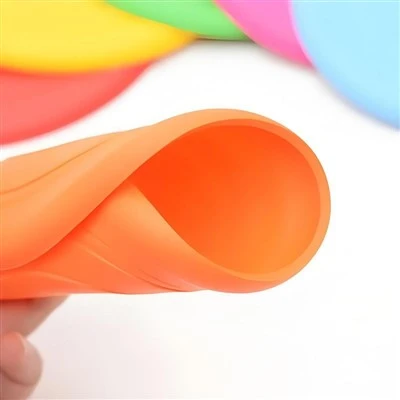
As a supplier of Silicone Foam Strip, I've witnessed firsthand the growing demand for this versatile product across various industries. From automotive to electronics, Silicone Foam Strip offers excellent sealing, cushioning, and insulation properties. However, with the increasing focus on environmental sustainability, it's crucial to understand the environmental impacts associated with its production. In this blog post, I'll delve into the key environmental aspects of Silicone Foam Strip production and explore potential solutions to mitigate these impacts.
Raw Material Extraction and Processing
The production of Silicone Foam Strip begins with the extraction of raw materials, primarily silicon metal and various organic compounds. Silicon metal is typically derived from silica sand through a high - energy - intensive process. The extraction of silica sand can lead to several environmental issues. Mining operations can cause habitat destruction, soil erosion, and water pollution. For instance, the removal of large amounts of sand can disrupt local ecosystems, affecting plant and animal species that rely on these habitats.
Moreover, the production of silicon metal from silica sand requires significant amounts of energy, usually in the form of electricity. Most of the world's electricity is still generated from fossil fuels, which release greenhouse gases such as carbon dioxide (CO₂) into the atmosphere. This contributes to global warming and climate change. The energy - intensive nature of silicon metal production also means a high consumption of non - renewable resources, further straining the planet's finite reserves.
Once the silicon metal is obtained, it is processed into silicone polymers. This involves a series of chemical reactions that often require the use of solvents and catalysts. Some of these chemicals can be hazardous to the environment and human health if not properly managed. For example, certain solvents may be volatile organic compounds (VOCs), which can contribute to air pollution and the formation of ground - level ozone, a harmful air pollutant.
Manufacturing Processes
The manufacturing of Silicone Foam Strip involves several steps, including mixing, molding, and curing. During the mixing process, the silicone polymers are combined with additives such as blowing agents, cross - linkers, and fillers. Blowing agents are used to create the foam structure in the silicone. Some traditional blowing agents, such as chlorofluorocarbons (CFCs) and hydrochlorofluorocarbons (HCFCs), have been phased out due to their ozone - depleting properties. However, even the newer blowing agents may have environmental impacts. For example, some hydrofluorocarbons (HFCs), which are commonly used as blowing agents, are potent greenhouse gases with a high global warming potential.
Molding and curing processes also consume a significant amount of energy. The curing process, in particular, often requires high temperatures to cross - link the silicone polymers and form the final product. This energy consumption not only contributes to greenhouse gas emissions but also increases the overall cost of production. Additionally, the manufacturing facilities may generate waste materials, such as scrap silicone and packaging materials. If not properly disposed of, these waste materials can end up in landfills, where they may take a long time to decompose.
Product Use and End - of - Life
During its use phase, Silicone Foam Strip generally has a relatively low environmental impact. It is known for its durability and long service life, which means that it doesn't need to be replaced frequently. This reduces the demand for new products and the associated environmental impacts of production. However, in some applications, such as in the automotive industry, the silicone foam may be exposed to high temperatures and chemicals, which could potentially lead to the release of small amounts of pollutants.
At the end of its life cycle, Silicone Foam Strip can pose challenges for recycling. Silicone is a complex polymer, and the recycling process is not as well - established as for some other materials like metals or plastics. Most silicone products, including Silicone Foam Strip, end up in landfills. In landfills, silicone may take a long time to break down, and there is also a risk of leaching of chemicals into the soil and groundwater over time.
Mitigating the Environmental Impacts
As a Silicone Foam Strip supplier, I'm committed to reducing the environmental impacts of our products. Here are some of the strategies we are implementing:
Sustainable Raw Material Sourcing
We are working with our suppliers to source silicon metal from mines that follow sustainable practices. This includes minimizing habitat destruction, implementing soil erosion control measures, and reducing water pollution. We are also exploring the use of recycled silicon materials to reduce the demand for newly mined silicon.
Energy Efficiency
In our manufacturing facilities, we are investing in energy - efficient equipment and technologies. For example, we are using advanced heating and cooling systems that consume less energy during the molding and curing processes. We are also looking into the possibility of using renewable energy sources, such as solar or wind power, to meet our energy needs.
Green Chemistry
We are researching and adopting more environmentally friendly blowing agents and additives. For example, we are exploring the use of bio - based blowing agents that have a lower global warming potential. We are also reducing the use of hazardous solvents and catalysts in our production processes.
Recycling Initiatives
We are actively involved in developing recycling technologies for Silicone Foam Strip. We are collaborating with research institutions and other industry players to find innovative ways to recycle silicone products. In the meantime, we are encouraging our customers to return their used Silicone Foam Strip to us for proper disposal or potential recycling.


Conclusion
The production of Silicone Foam Strip has several environmental impacts, from raw material extraction to end - of - life disposal. However, by implementing sustainable practices in sourcing, manufacturing, and recycling, we can significantly reduce these impacts. As a supplier, I believe it's our responsibility to not only provide high - quality products but also to minimize the environmental footprint of our operations.
If you are interested in our Silicone Foam Strip or other related products such as Rubber Feet and Silicone Rubber Transformer Bushings, and would like to discuss your specific requirements, please feel free to reach out. We are always ready to provide you with the best solutions and contribute to a more sustainable future.
References
- "Silicone Chemistry and Technology" by various authors.
- Environmental reports from the silicone industry associations.
- Research papers on sustainable manufacturing in the polymer industry.