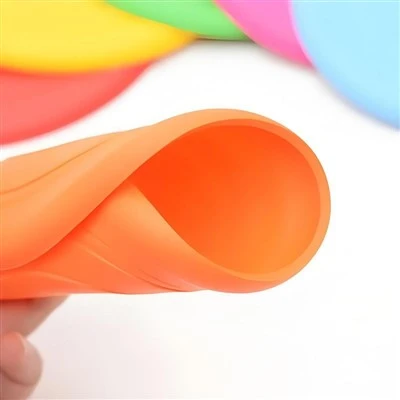
Silicone ears, a remarkable product in the realm of silicone applications, possess a unique texture that sets them apart. As a seasoned silicone ear supplier, I've had the privilege of closely examining and understanding the intricacies of their texture. In this blog, I'll delve deep into what the texture of silicone ears is like, exploring its various aspects and how it impacts their functionality and user experience.
The Basic Texture of Silicone Ears
Silicone ears typically have a soft and pliable texture. This softness is one of their most defining characteristics. When you first touch a silicone ear, you'll notice a gentle give, much like the feeling of pressing on a well - made stress ball. This softness is not only pleasant to the touch but also serves a crucial purpose. It allows the silicone ears to conform to the shape of the human ear or the intended application area with ease.
The surface of silicone ears is smooth. Unlike some rough or grainy materials, the smoothness of silicone gives it an almost luxurious feel. This smooth surface is beneficial in several ways. For instance, when used in prosthetic applications, it reduces irritation to the skin. The lack of rough edges or bumps means that the silicone ear can rest comfortably against the skin for extended periods without causing abrasions or discomfort.


Elasticity and Stretchability
Another significant aspect of the texture of silicone ears is their elasticity. Silicone is known for its ability to stretch and then return to its original shape. This property is highly advantageous in the context of silicone ears. When being worn, they can be stretched slightly to fit over the ear or into a particular position. Once in place, they will hold their shape and maintain a snug fit.
The stretchability also allows for some degree of flexibility during movement. Whether the wearer is turning their head, engaging in physical activities, or simply going about their daily routine, the silicone ear can adapt to the movements without losing its form. This is particularly important for prosthetic ears, as it ensures that the ear remains in place and looks natural even when the wearer is active.
Density and Firmness
The density and firmness of silicone ears can vary depending on the specific application and the manufacturing process. In general, silicone ears can range from relatively soft and squishy to a more firm and rigid texture.
For prosthetic ears that are designed to mimic the look and feel of real ears, a softer density is often preferred. This softer texture more closely resembles the natural elasticity and pliability of human ears. It also gives the wearer a more realistic sensory experience, as the ear will respond to touch in a similar way to a real ear.
On the other hand, in some industrial or specialized applications, a firmer silicone ear may be required. For example, if the silicone ear is used as a protective cover or a sealant, a higher density and firmness can provide better durability and resistance to external forces.
Surface Finish
The surface finish of silicone ears can also affect their texture. There are different types of surface finishes available, each with its own unique characteristics.
A glossy finish gives the silicone ear a shiny and sleek appearance. It not only looks aesthetically pleasing but also enhances the smoothness of the surface. The glossy finish can make the silicone ear more resistant to dirt and moisture, as it is easier to clean.
A matte finish, on the other hand, provides a more subdued and natural look. It can reduce glare and give the silicone ear a more realistic appearance, especially in prosthetic applications. The matte finish also has a slightly different tactile feel compared to the glossy finish. It may feel a bit more velvety or soft - touch, adding to the overall comfort of the wearer.
Comparison with Other Materials
When compared to other materials commonly used in ear - related products, silicone ears stand out due to their unique texture.
Compared to plastic ears, silicone is much softer and more flexible. Plastic ears are often rigid and can be uncomfortable to wear for long periods. They also lack the natural look and feel that silicone can provide.
In contrast to rubber ears, silicone has a more consistent texture. Rubber can sometimes have a sticky or tacky feel, especially in warm environments. Silicone, on the other hand, maintains its smooth and soft texture regardless of the temperature.
Applications and the Impact of Texture
The texture of silicone ears plays a crucial role in their various applications.
In the medical field, especially in prosthetics, the texture is of utmost importance. The soft and smooth texture of silicone ears ensures that they are comfortable for the patient to wear. It also allows for a more natural appearance, as the ear can blend in with the surrounding skin. The elasticity of the silicone enables the ear to move with the patient's head, creating a more lifelike effect.
In the entertainment industry, silicone ears are often used for special effects and costumes. The unique texture allows for easy manipulation and shaping to create different ear designs. Whether it's creating elf ears or alien ears, the softness and stretchability of silicone make it possible to achieve a wide range of looks.
In industrial applications, the texture of silicone ears can determine their functionality. For example, Powder Coating Plugs made of silicone need to have a certain firmness and smoothness to effectively seal off areas during the powder - coating process. Similarly, Silicone Foam Strip and Oil Seal Rings made of silicone rely on their texture to provide a tight seal and prevent leakage.
Conclusion
In conclusion, the texture of silicone ears is a complex and multi - faceted characteristic. It encompasses softness, smoothness, elasticity, density, and surface finish, all of which contribute to the overall functionality and user experience. Whether it's for medical, entertainment, or industrial applications, the unique texture of silicone ears makes them a versatile and valuable product.
If you're interested in exploring our range of silicone ears or other silicone products, we invite you to contact us for a procurement discussion. We're committed to providing high - quality silicone products that meet your specific needs.
References
- Silicone Technology Handbook, 3rd Edition, edited by William Andrew
- Medical Silicone Elastomers: Properties and Applications, by Robert M. Payne
- Special Effects Makeup: Creating Realistic Characters, by Gino Crognale