Hey there! As a supplier of Powder Coating Plugs, I often get asked about the heat resistance temperature of these little but crucial components. So, I thought I'd sit down and write this blog to share all the ins and outs about it.
First off, let's understand what powder coating plugs are for. They're used in the powder coating process to mask off areas that you don't want to get coated. This ensures a clean and precise finish on the parts you're working on. But during the powder coating process, there's a lot of heat involved, and that's where the heat resistance of these plugs comes into play.
The heat resistance temperature of powder coating plugs can vary quite a bit depending on the material they're made from. There are a few common materials used for these plugs, and each has its own heat - handling capabilities.
One of the popular materials is silicone. Silicone plugs are known for their excellent heat resistance. Generally, they can withstand temperatures ranging from about -60°C to 230°C (-76°F to 446°F). This wide temperature range makes them suitable for a variety of powder coating applications. The high - end of this temperature range is especially important because the powder coating curing process often involves baking the coated parts at elevated temperatures. For example, in some industrial powder coating operations, the curing ovens can reach temperatures around 200°C (392°F) or even higher for a certain period to ensure the powder adheres properly and cures to a hard finish.
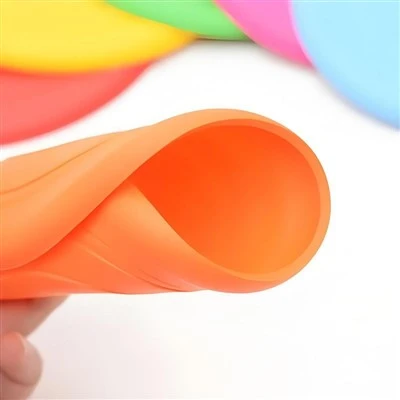
Silicone has some other great properties too. It's flexible, which means it can easily fit into different shapes and sizes of holes or openings on the parts being coated. It also has good chemical resistance, so it won't break down easily when exposed to the chemicals in the powder coating materials. You can check out our Silicone Plugs on our website to see the different options we offer.
Another material used for powder coating plugs is rubber, specifically NBR (Nitrile Butadiene Rubber). NBR O - rings are sometimes used as plugs as well. NBR has a decent heat resistance, but it's not as high as silicone. NBR can typically withstand temperatures from about -40°C to 120°C (-40°F to 248°F). So, if your powder coating process involves lower curing temperatures, NBR might be a cost - effective option. You can find out more about NBR O Ring on our site.
Then there's the Silicon Oring. Silicon O - rings are also used in powder coating applications. They have a heat resistance similar to silicone plugs, usually in the range of -60°C to 230°C (-76°F to 446°F). They offer good sealing properties along with the ability to handle high temperatures. You can explore our Silicon Oring products to see if they fit your needs.
When choosing the right powder coating plugs based on heat resistance, you need to consider a few factors. First, know the exact temperature of your powder coating curing process. If it's a high - temperature process, then silicone or silicon O - rings are your best bet. But if the temperatures are relatively low, NBR might work just fine and save you some money.
Another factor is the duration of exposure to heat. Some powder coating processes have a short - term high - temperature exposure, while others might have a longer - term exposure at a slightly lower temperature. For short - term high - temperature exposures, materials can often handle a bit more heat than their long - term rated temperatures. But for long - term exposures, it's crucial to stay within the recommended temperature range of the material to avoid any degradation or failure of the plugs.
The environment in which the powder coating is taking place also matters. If there are other chemicals or solvents present in the environment, they can affect the heat resistance and overall performance of the plugs. For example, some chemicals might react with the rubber or silicone materials, reducing their heat resistance or causing them to become brittle over time.


We've done a lot of testing on our powder coating plugs to make sure they meet the highest standards of heat resistance. We use advanced testing equipment to simulate different powder coating conditions and measure how the plugs perform under heat. This way, we can offer you products that you can rely on for your powder coating projects.
If you're in the market for powder coating plugs, it's important to choose a supplier who understands the science behind heat resistance and can provide you with the right products for your specific needs. That's where we come in. We've been in the business for a while, and we know all about the different materials, their properties, and how they perform under heat.
Whether you're a small - scale workshop doing custom powder coating jobs or a large - scale industrial manufacturer, we can help you find the perfect powder coating plugs. Our team is always ready to answer your questions and give you advice on which plugs are best for your application.
So, if you're interested in learning more about our powder coating plugs or want to place an order, don't hesitate to reach out. We're here to make your powder coating process as smooth and successful as possible. Contact us today, and let's start a great partnership for your powder coating needs.
References
- "Handbook of Elastomers" - This book provides in - depth information about different rubber and elastomer materials, including their heat resistance properties.
- Industry research reports on powder coating materials and processes, which offer insights into the typical temperature ranges used in powder coating curing.