Hey there! I'm a supplier of oil seal rings, and today I wanna chat about the requirements for oil seal rings in engine applications. Engines are the heart of many machines, from cars and trucks to industrial equipment, and the oil seal rings play a crucial role in keeping them running smoothly.
First off, let's talk about the basic function of oil seal rings in an engine. Their main job is to prevent the leakage of lubricating oil from the engine. Oil is essential for reducing friction between moving parts, which in turn helps to prevent wear and tear and keeps the engine cool. If the oil leaks out, it can lead to all sorts of problems, like reduced engine performance, increased fuel consumption, and even engine failure. So, a good oil seal ring has to be able to create a tight seal to keep the oil where it belongs.
One of the key requirements for oil seal rings in engine applications is material compatibility. The oil used in engines can vary in terms of its chemical composition, viscosity, and additives. The seal ring material needs to be able to withstand the specific type of oil used in the engine without degrading or swelling. For example, some oils contain detergents and anti - wear additives that can react with certain seal materials. Common materials for oil seal rings include nitrile rubber, fluorocarbon rubber (Viton), and silicone.
Nitrile rubber is a popular choice because it's relatively inexpensive and has good resistance to oil and fuel. It can handle a wide range of temperatures, usually from - 40°C to 120°C. However, it may not be suitable for high - temperature applications or engines that use synthetic oils with aggressive additives.
Fluorocarbon rubber, on the other hand, is known for its excellent chemical resistance and high - temperature stability. It can withstand temperatures up to 200°C or even higher in some cases. This makes it a great option for high - performance engines or engines that operate in extreme conditions. But it comes at a higher cost compared to nitrile rubber.


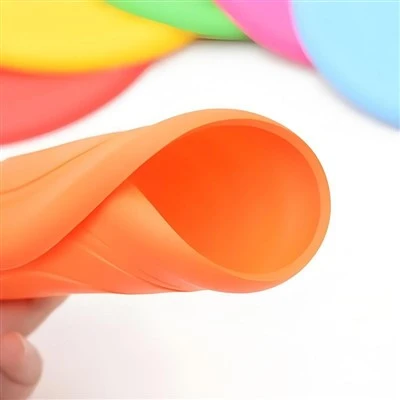
Silicone is another option. It has good flexibility and can provide a tight seal even under low - pressure conditions. It also has excellent resistance to high and low temperatures, from - 60°C to 230°C. And it has a very low compression set, which means it can maintain its shape and sealing ability over a long period of time. If you're interested in silicone products, you can check out our Silicone Flat Cap, Silicone Foam Strip, and Silicone Ear.
In addition to material compatibility, the oil seal ring also needs to be able to handle the mechanical stresses in the engine. Engines have a lot of moving parts, and the seal rings are subject to vibrations, centrifugal forces, and pressure fluctuations. The seal ring has to be strong enough to maintain its shape and integrity under these conditions. This means it should have good tensile strength and tear resistance.
The design of the oil seal ring is also important. A well - designed seal ring should be able to fit precisely into the engine housing. It should have the right dimensions and shape to create a proper seal. For example, some seal rings have a lip design that helps to wipe the shaft clean as it rotates, preventing oil from leaking past the seal. The lip should be flexible enough to conform to the surface of the shaft but also firm enough to maintain contact under pressure.
Temperature is another critical factor. Engines can get really hot, especially during high - load operation. The oil seal ring needs to be able to maintain its sealing properties at elevated temperatures. If the seal ring softens or loses its elasticity at high temperatures, it can lead to oil leakage. On the other hand, in cold weather, the seal ring shouldn't become too brittle and crack. That's why the material selection is so important, as different materials have different temperature ratings.
Pressure is also a consideration. In an engine, there are different pressure zones. The oil seal ring has to be able to withstand the pressure differences between the oil - filled side and the outside environment. For example, in a piston engine, there can be high - pressure pulses during the combustion process. The seal ring needs to be able to handle these pressure spikes without failing.
Another requirement is durability. Engines are designed to last for a long time, and the oil seal rings need to keep up. They should be able to resist wear and tear from continuous contact with the shaft and other engine components. This means having good abrasion resistance. A durable seal ring will reduce the need for frequent replacements, saving time and money in the long run.
Contamination is a big issue in engines. Dust, dirt, and other particles can get into the engine and damage the oil seal rings. The seal ring should be able to prevent the ingress of these contaminants while still keeping the oil inside. Some seal rings are designed with dust lips or other features to help keep the contaminants out.
Now, when it comes to installation, the oil seal ring should be easy to install. Complicated installation processes can lead to mistakes and improper sealing. A well - made seal ring should come with clear installation instructions and be designed in such a way that it can be easily placed in the engine housing.
If you're in the market for high - quality oil seal rings that meet all these requirements, we've got you covered. We've been in the business for a while, and we know what it takes to produce top - notch seal rings. Our products are carefully tested to ensure they meet the highest standards in terms of material quality, design, and performance.
Whether you're an automotive manufacturer, an industrial equipment supplier, or just someone looking to replace the oil seal rings in your engine, we can provide you with the right solution. Don't hesitate to get in touch with us for more information or to start a procurement discussion. We're here to help you find the best oil seal rings for your engine applications.
References
- "Handbook of Elastomers" by I. I. Rubin
- "Automotive Engineering Fundamentals" by Thomas D. Gillespie