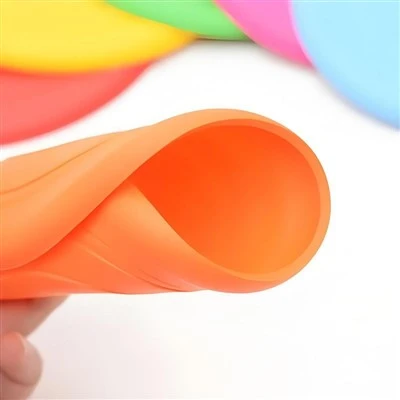
Plate silicone is a versatile and essential material, especially in the mother - and - baby industry. As a trusted Plate Silicone supplier, I'm here to guide you through the process of installing plate silicone. This guide will not only help you understand the installation steps but also highlight the importance of proper installation for the longevity and functionality of the product.
Understanding Plate Silicone
Before we dive into the installation process, it's crucial to understand what plate silicone is. Plate silicone is a type of high - quality silicone material designed for various applications, such as baby plates. It offers excellent heat resistance, flexibility, and durability, making it a safe and reliable choice for products that come into contact with food. You can explore more about our Plate Silicone on our website Plate Silicone.
Tools and Materials Needed
To install plate silicone successfully, you'll need the following tools and materials:
- Plate Silicone: Ensure you have the right size and type of plate silicone for your application. Our company offers a wide range of plate silicone products to meet different needs.
- Clean Cloth: To clean the surface where the silicone will be installed.
- Adhesive (if required): Some applications may require an adhesive to secure the silicone plate. Make sure to choose an adhesive that is safe for food contact.
- Scissors or Utility Knife: To cut the silicone plate to the appropriate size if necessary.
Step - by - Step Installation Process
Step 1: Prepare the Surface
The first step in installing plate silicone is to prepare the surface where it will be placed. This is a critical step as a clean and smooth surface ensures better adhesion and a more secure installation.
- Clean the Surface: Use a clean cloth to wipe the surface of the plate or the area where the silicone will be installed. Remove any dust, dirt, grease, or debris. If there are stubborn stains, you can use a mild detergent and water solution, but make sure to rinse the surface thoroughly and dry it completely before proceeding.
- Inspect the Surface: Check the surface for any cracks, bumps, or rough edges. If you find any, sand them down gently to create a smooth surface. This will prevent the silicone from lifting or peeling off over time.
Step 2: Measure and Cut the Silicone Plate
If the silicone plate needs to be cut to fit the surface, follow these steps:
- Measure the Surface: Use a measuring tape to measure the length and width of the surface where the silicone will be installed. Add a small margin (about 1 - 2 cm) to the measurements to ensure a proper fit.
- Mark the Silicone Plate: Place the silicone plate on a flat surface and use a marker to mark the cutting lines based on your measurements.
- Cut the Silicone Plate: Use scissors or a utility knife to cut along the marked lines. Make sure to cut slowly and carefully to get a straight and clean edge.
Step 3: Apply Adhesive (if necessary)
In some cases, you may need to use an adhesive to secure the silicone plate. Here's how to do it:
- Choose the Right Adhesive: Select an adhesive that is specifically designed for use with silicone and is safe for food contact. Read the manufacturer's instructions carefully before use.
- Apply the Adhesive: Using a small brush or applicator, apply a thin and even layer of adhesive to the back of the silicone plate or the surface where it will be installed. Make sure to cover the entire area evenly.
- Let the Adhesive Set: Allow the adhesive to set for the recommended time according to the manufacturer's instructions. This usually takes a few minutes to an hour, depending on the type of adhesive.
Step 4: Place the Silicone Plate
Once the surface is prepared and the adhesive (if used) is set, it's time to place the silicone plate:
- Align the Plate: Carefully place the silicone plate on the prepared surface, aligning it with the edges. Make sure it is centered and straight.
- Press the Plate: Use your hands to press the silicone plate firmly onto the surface, starting from the center and working your way outwards. This will help to remove any air bubbles and ensure good contact between the silicone and the surface.
- Smooth Out the Surface: Run your hands over the surface of the silicone plate to smooth out any wrinkles or folds. If there are any air bubbles trapped under the silicone, use a pin or a needle to prick them and then press the area to release the air.
Step 5: Final Check
After installing the silicone plate, perform a final check to ensure everything is in place:


- Inspect the Edges: Check the edges of the silicone plate to make sure they are sealed properly and there are no gaps or lifting.
- Test the Stability: Gently shake or move the plate to test the stability of the silicone installation. If the silicone plate moves or shifts, you may need to re - apply the adhesive or adjust the installation.
Maintenance and Care of Plate Silicone
Proper maintenance and care of plate silicone can extend its lifespan and ensure its continued performance:
- Regular Cleaning: Wash the silicone plate regularly with mild soap and water. Avoid using abrasive cleaners or scrubbers, as they can damage the surface of the silicone.
- Avoid High Temperatures: Although plate silicone is heat - resistant, it's best to avoid exposing it to extremely high temperatures for extended periods. This can cause the silicone to degrade or lose its flexibility.
- Store Properly: When not in use, store the silicone plate in a cool, dry place away from direct sunlight.
Related Products
In addition to plate silicone, we also offer other high - quality silicone products for the mother - and - baby industry. Check out our Silicone Sucker Toys and Bibs De Lux Silicone for more options.
Contact Us for Purchase
If you're interested in purchasing our plate silicone or other silicone products, we're here to assist you. Our team of experts can provide you with detailed product information, pricing, and customization options. Whether you're a small business looking for a reliable supplier or a large manufacturer in need of bulk orders, we have the solutions to meet your requirements. Reach out to us to start a fruitful business relationship and ensure the quality of your products with our top - notch silicone materials.
References
- Silicone Industry Handbook, Third Edition. This comprehensive handbook provides in - depth knowledge about silicone materials, including their properties, manufacturing processes, and applications.
- Mother - and - Baby Product Safety Guidelines. These guidelines offer valuable information on the safety requirements for products used in the mother - and - baby industry, which is crucial when dealing with plate silicone.