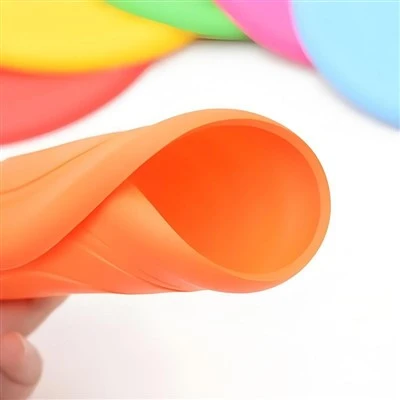
Cleaning plugs silicone is an essential maintenance task that not only extends the lifespan of your silicone products but also ensures their optimal performance. As a seasoned plugs silicone supplier, I've witnessed firsthand the importance of proper cleaning in preserving the quality and functionality of these versatile items. In this blog post, I'll share some effective methods and best practices for cleaning plugs silicone, drawing on my years of experience in the industry.
Why Cleaning Plugs Silicone Matters
Silicone plugs are widely used in various applications, from industrial settings to personal use. They are valued for their flexibility, durability, and resistance to high temperatures and chemicals. However, over time, these plugs can accumulate dirt, debris, and other contaminants, which can compromise their performance and even lead to damage.
Regular cleaning helps to remove these impurities, preventing them from causing blockages, reducing the effectiveness of the seal, or causing premature wear and tear. Additionally, clean silicone plugs are more hygienic, making them suitable for use in sensitive environments such as food processing or medical facilities.
Preparing for Cleaning
Before you start cleaning your plugs silicone, it's important to gather the necessary supplies. You'll need a mild detergent or soap, warm water, a soft brush or cloth, and a clean towel for drying. Avoid using harsh chemicals or abrasive materials, as these can damage the silicone.
It's also a good idea to remove the plugs from their intended location before cleaning. This will make it easier to access all surfaces and ensure a thorough cleaning. If the plugs are stuck or difficult to remove, use a gentle twisting or pulling motion to avoid causing damage.
Cleaning Methods
There are several effective methods for cleaning plugs silicone, depending on the level of dirt and contamination. Here are some common techniques:
Hand Washing
For lightly soiled plugs, hand washing is often sufficient. Fill a sink or basin with warm water and add a small amount of mild detergent or soap. Gently agitate the water to create a soapy solution.
Submerge the plugs in the soapy water and use a soft brush or cloth to gently scrub the surfaces. Pay special attention to any areas with visible dirt or debris. Rinse the plugs thoroughly under running water to remove all traces of soap.
Soaking
If the plugs are heavily soiled or have stubborn stains, soaking them in a cleaning solution can be more effective. Prepare a solution of warm water and mild detergent or soap in a container large enough to hold the plugs.
Place the plugs in the solution and let them soak for at least 15-20 minutes. This will help to loosen the dirt and make it easier to clean. After soaking, use a soft brush or cloth to gently scrub the surfaces and remove any remaining dirt. Rinse the plugs thoroughly under running water.
Using a Dishwasher
In some cases, you may be able to clean plugs silicone in a dishwasher. However, it's important to check the manufacturer's instructions first to ensure that the plugs are dishwasher-safe.
Place the plugs in the top rack of the dishwasher and use a gentle cycle with a mild detergent. Avoid using high heat or harsh chemicals, as these can damage the silicone. After the cycle is complete, remove the plugs from the dishwasher and let them air dry.
Drying and Storage
After cleaning, it's important to dry the plugs silicone thoroughly to prevent the growth of mold or mildew. Use a clean towel to gently pat the plugs dry, removing as much moisture as possible.
You can also let the plugs air dry in a well-ventilated area. Avoid using a hair dryer or other heat source to dry the plugs, as this can cause the silicone to warp or melt.
Once the plugs are completely dry, store them in a clean, dry place. Avoid storing them in direct sunlight or in areas with high humidity, as this can also damage the silicone.
Special Considerations
When cleaning plugs silicone, there are some special considerations to keep in mind:
Avoid Using Sharp Objects
Sharp objects such as knives or scissors can damage the silicone, so it's important to avoid using them when cleaning the plugs. Instead, use a soft brush or cloth to gently scrub the surfaces.
Check for Damage
Before cleaning the plugs, inspect them for any signs of damage such as cracks, tears, or punctures. If you notice any damage, it's best to replace the plugs to ensure their proper functioning.
Follow Manufacturer's Instructions
Always follow the manufacturer's instructions for cleaning and maintenance. Different types of silicone plugs may require different cleaning methods or products, so it's important to read the instructions carefully.
Conclusion
Cleaning plugs silicone is a simple but important task that can help to extend the lifespan of your silicone products and ensure their optimal performance. By following the methods and best practices outlined in this blog post, you can keep your plugs clean and in good condition for years to come.


As a trusted plugs silicone supplier, we offer a wide range of high-quality silicone products, including Silicone Sealing Ring, Flesh Tone Ear Plugs, and Silicone Ear. Our products are designed to meet the highest standards of quality and performance, and we are committed to providing our customers with the best possible service.
If you have any questions about cleaning or maintaining your silicone plugs, or if you're interested in purchasing our products, please don't hesitate to contact us. We'll be happy to assist you with your needs and provide you with the information you need to make an informed decision.
References
- "Silicone Rubber: Properties, Processing, and Applications" by Charles A. Harper
- "Handbook of Silicones" by William Noll
- Manufacturer's instructions for silicone plugs