Hey there! As a supplier of Powder Coating Plugs, I've been in the game for quite a while, and I've seen firsthand how these little guys play a crucial role in the powder coating process. One of the most frequently asked questions I get is about how powder coating plugs perform with different curing times. So, let's dive right in and explore this topic.
What Are Powder Coating Plugs?
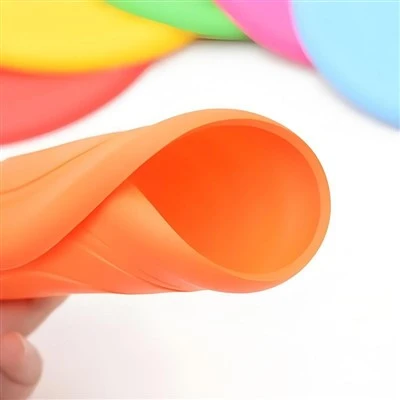
First things first, let's quickly go over what powder coating plugs are. They're essentially little stoppers made from various materials, mainly silicone. These plugs are used to cover holes, threads, and other areas on a workpiece that you don't want to get coated during the powder coating process. They're super handy because they prevent powder from getting into places it shouldn't, which saves you a lot of time and hassle in the long run.
The Importance of Curing Time in Powder Coating
Before we talk about how powder coating plugs perform with different curing times, let's understand why curing time matters in powder coating. Curing is the process of heating the powder-coated workpiece to a specific temperature for a set period. This causes the powder to melt, flow, and chemically cross-link, forming a hard, durable finish.
The curing time can vary depending on several factors, such as the type of powder being used, the thickness of the coating, and the size and material of the workpiece. If the curing time is too short, the powder may not fully cross-link, resulting in a weak, flaky finish. On the other hand, if the curing time is too long, the powder may over-cure, leading to discoloration, brittleness, and other issues.
How Powder Coating Plugs Perform with Different Curing Times
Now, let's get to the heart of the matter: how do powder coating plugs perform with different curing times? Well, it all boils down to the material of the plug and its ability to withstand the heat and chemical changes that occur during the curing process.
Short Curing Times
When the curing time is short, say around 10 - 15 minutes, powder coating plugs generally perform quite well. Silicone plugs, in particular, are great because they have a high heat resistance and can maintain their shape and integrity during the relatively short exposure to heat. They'll effectively block the powder from entering the covered areas, and you won't have to worry about them melting or deforming.
However, it's still important to choose the right type of silicone plug. Some silicone formulations are more heat-resistant than others, so make sure you pick a plug that's rated for the temperature and time of your curing process. For example, if you're using a powder that requires a curing temperature of 350°F (177°C), you'll want a silicone plug that can handle that heat without any issues.
Medium Curing Times
For medium curing times, typically between 15 - 30 minutes, powder coating plugs need to be even more heat-resistant. Silicone plugs are still a good choice, but you may need to opt for a higher-grade silicone that can withstand the longer exposure to heat.
During medium curing times, the plugs may start to experience some minor changes. For instance, they may become slightly softer or more flexible. This isn't necessarily a bad thing, as long as they still maintain their shape and continue to block the powder effectively. However, if the plugs start to melt or stick to the workpiece, that's a sign that they're not suitable for the curing time and temperature.
Long Curing Times
Long curing times, over 30 minutes, can be a bit more challenging for powder coating plugs. At this point, the plugs are exposed to high heat for an extended period, which can cause significant changes in their physical properties.
Silicone plugs can still work, but you'll need to use a specialized, high-temperature silicone. These types of silicone are designed to withstand prolonged exposure to heat without melting, degrading, or losing their sealing properties. However, even with high-temperature silicone plugs, there's still a risk of some minor degradation over time.
One thing to watch out for during long curing times is the potential for the plugs to release gases or chemicals. This can happen if the silicone starts to break down under the heat, and it can contaminate the powder coating or cause other issues. So, it's crucial to choose plugs that are specifically designed for long curing times and have been tested for this type of application.
Choosing the Right Powder Coating Plugs for Different Curing Times
As you can see, choosing the right powder coating plugs for different curing times is essential. Here are some tips to help you make the right decision:
- Know Your Curing Process: Before you choose a plug, make sure you know the exact temperature and time requirements of your curing process. This will help you select a plug that can withstand those conditions.
- Consider the Material: Silicone is the most common material for powder coating plugs because of its heat resistance and flexibility. However, there are different grades of silicone, so choose one that's appropriate for your curing time and temperature.
- Test the Plugs: Before you start using a new type of plug on a large scale, it's a good idea to do some tests. Try using the plugs on a small workpiece and see how they perform during the curing process. This will give you an idea of whether they're suitable for your application.
Other Factors to Consider
In addition to curing time, there are other factors that can affect the performance of powder coating plugs. For example, the shape and size of the plug are important. You'll want a plug that fits snugly into the hole or area you're covering to ensure a good seal.
The surface finish of the workpiece can also play a role. If the surface is rough or uneven, it may be more difficult for the plug to form a tight seal. In this case, you may need to use a plug with a more flexible or conformable design.
Related Products
If you're in the market for other silicone products for your industrial applications, check out our Silicone Door Seal Strip, Silicon Oring, and Silicone Sealing Ring. These products are also made from high-quality silicone and are designed to provide excellent sealing and performance in various environments.
Conclusion
In conclusion, powder coating plugs play a vital role in the powder coating process, and their performance can vary depending on the curing time. By choosing the right type of plug and ensuring it's suitable for your specific curing conditions, you can effectively block the powder from entering the covered areas and achieve a high-quality powder coating finish.


If you're interested in purchasing powder coating plugs or have any questions about which plugs are right for your application, don't hesitate to reach out. We're here to help you find the best solution for your powder coating needs.
References
- "Powder Coating Technology" by James Wicks, Frank Jones, and S. Peter Pappas
- "Silicone Rubber Handbook" by Werner J. Bartz