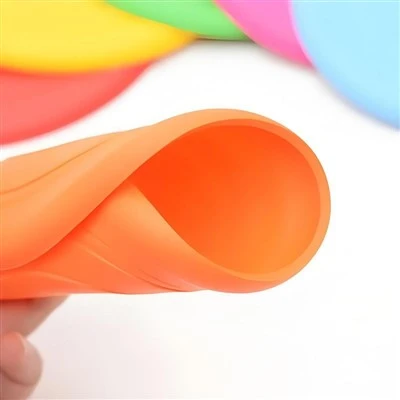
Hey there! As a supplier of anti slip placemats, I often get asked about how these nifty little things perform in cold temperatures. It's a great question, especially if you live in an area where the mercury drops significantly during the winter months. So, let's dive right in and explore this topic.
First off, let's understand what anti slip placemats are all about. They're designed to keep your plates, glasses, and other tableware from sliding around on your dining table or kitchen counter. Most of these placemats are made from materials like silicone, rubber, or a combination of both. These materials have natural grip properties that help them stay in place and prevent any unwanted movement.
Now, when it comes to cold temperatures, things can get a bit tricky. Cold weather can have an impact on the performance of anti slip placemats, mainly because it affects the physical properties of the materials they're made from.


How Cold Affects Different Materials
Silicone Placemats
Silicone is a popular choice for anti slip placemats because it's flexible, durable, and easy to clean. But in cold temperatures, silicone can become stiffer. When it gets really cold, say below freezing, the silicone might lose some of its flexibility and become more brittle. This can potentially reduce its anti - slip capabilities.
However, high - quality silicone placemats are designed to withstand a certain range of temperatures. Most good silicone placemats can handle temperatures down to around - 20°C (- 4°F) without significant loss of performance. But if you expose them to extremely cold conditions for a long time, the stiffness can make them less effective at gripping the table surface and keeping your dishes in place.
If you're interested in other silicone products, we also offer Silicone Molds for Epoxy, which are great for all your DIY epoxy projects in the kitchen or elsewhere.
Rubber Placemats
Rubber is another common material for anti slip placemats. Similar to silicone, rubber can also harden in cold temperatures. The cold makes the rubber molecules move less freely, which reduces its elasticity. This hardening can cause the rubber to lose its grip on the table, making it easier for your placemats to slide around.
Just like with silicone, the extent of the problem depends on the quality of the rubber and how cold it gets. Some rubber placemats are formulated to be more cold - resistant, but in general, very cold conditions can still have a negative impact on their anti - slip performance.
Testing Anti Slip Placemats in Cold
We've done some in - house testing to see how our anti slip placemats perform in cold temperatures. We placed our placemats in a cold storage unit at different temperatures and then tested their anti - slip properties.
At moderately cold temperatures, around 0°C (32°F), the placemats still worked pretty well. The silicone ones were a bit stiffer, but they could still hold the dishes in place. The rubber placemats also maintained a decent grip, although you could notice a slight decrease in their flexibility.
But when we dropped the temperature to - 10°C (14°F), things started to change. The silicone placemats became quite stiff, and it was easier to move the dishes on them. The rubber placemats also showed a significant reduction in their anti - slip ability. They were more likely to slide around on the table, and the dishes on them were less stable.
Tips for Using Anti Slip Placemats in Cold
If you live in a cold climate and want to use anti slip placemats, here are some tips to keep them performing well:
- Bring them indoors: If you're using the placemats outdoors or in an unheated area, bring them inside when it gets really cold. This will prevent them from being exposed to extreme cold for too long.
- Warm them up: If you notice that your placemats have become stiff from the cold, you can warm them up a bit. You can do this by placing them in a warm room for a few hours or running them under warm water. This will help restore their flexibility and grip.
Other Cold - Related Considerations
It's not just the anti - slip performance that can be affected by cold temperatures. Cold can also make the placemats more prone to damage. For example, the stiff silicone or rubber can crack if bent too much in the cold. So, be careful when handling your placemats in cold weather.
Another thing to consider is that cold can also affect the surface of your table. If your table is made of a material that contracts in the cold, it might change the fit between the placemat and the table. This can also impact the anti - slip performance.
Our Product Range
As a supplier, we offer a wide range of anti slip placemats made from different materials and in various designs. We understand the importance of having placemats that work well in different conditions, including cold temperatures.
We're constantly researching and developing new products to improve their cold - resistance. Our team is always looking for ways to make our placemats more durable and effective, no matter what the weather is like.
In addition to anti slip placemats, we also have other great silicone kitchen products. Check out our Silicone Plastic Bags, which are a great alternative to traditional plastic bags, and our Silicone Drinking Straws, which are reusable and eco - friendly.
Contact Us for Purchasing
If you're interested in our anti slip placemats or any of our other products, we'd love to hear from you. Whether you're a retailer looking to stock our products or an individual consumer wanting to buy for your home, we can provide you with high - quality items at competitive prices.
Get in touch with us to start a conversation about your purchasing needs. We're here to help you find the right products for your situation and ensure that you're satisfied with your purchase.
References
- ASTM International. (2023). Standard test methods for rubber properties in low - temperature environments.
- Silicone Engineering Handbook. (2022). A comprehensive guide to silicone materials and their properties.