Can silicone foam strip be used in audio equipment?
As a supplier of Silicone Foam Strip, I've often been asked about the potential applications of our products, especially in the realm of audio equipment. In this blog post, I'll delve into the question of whether silicone foam strip can be used in audio equipment, exploring its properties, advantages, and potential drawbacks.
Properties of Silicone Foam Strip
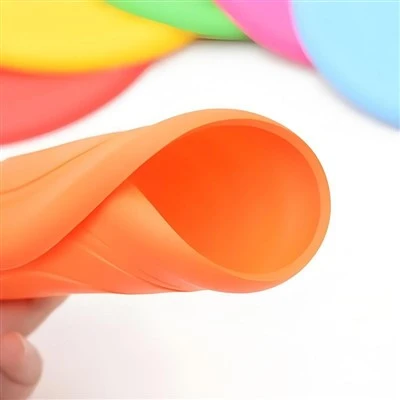
Silicone foam strip is a versatile material known for its unique combination of properties. It is made from silicone rubber, which is a synthetic elastomer with excellent thermal stability, chemical resistance, and electrical insulation properties. The foam structure of the strip gives it additional benefits, such as low density, high compressibility, and good shock absorption.
One of the key properties of silicone foam strip is its ability to withstand a wide range of temperatures. It can operate effectively in temperatures ranging from -60°C to 200°C, making it suitable for use in both hot and cold environments. This thermal stability is particularly important in audio equipment, where components can generate a significant amount of heat during operation.
Another important property of silicone foam strip is its chemical resistance. It is resistant to a variety of chemicals, including oils, solvents, and acids, which makes it suitable for use in harsh environments. This chemical resistance also helps to protect the audio equipment from damage caused by exposure to these substances.
In addition to its thermal and chemical properties, silicone foam strip also has excellent electrical insulation properties. It has a high dielectric strength, which means it can prevent the flow of electricity between two conductive surfaces. This property is important in audio equipment, where electrical interference can cause distortion and other problems.
Advantages of Using Silicone Foam Strip in Audio Equipment
There are several advantages to using silicone foam strip in audio equipment. One of the main advantages is its ability to reduce vibration and noise. The foam structure of the strip acts as a shock absorber, which helps to dampen vibrations and reduce noise levels. This is particularly important in audio equipment, where vibrations can cause distortion and other problems.
Another advantage of using silicone foam strip in audio equipment is its ability to provide a seal. The strip can be used to seal gaps and openings in the equipment, which helps to prevent the entry of dust, dirt, and moisture. This is important in audio equipment, where these contaminants can cause damage to the components and affect the performance of the equipment.
Silicone foam strip also has excellent flexibility and conformability. It can be easily cut and shaped to fit the specific requirements of the audio equipment. This flexibility and conformability make it easy to install and use in a variety of applications.
In addition to its physical properties, silicone foam strip is also a cost-effective solution for audio equipment. It is relatively inexpensive compared to other materials, and it has a long service life. This makes it a popular choice for manufacturers of audio equipment who are looking for a high-quality, cost-effective solution.
Potential Drawbacks of Using Silicone Foam Strip in Audio Equipment
While there are many advantages to using silicone foam strip in audio equipment, there are also some potential drawbacks that should be considered. One of the main drawbacks is its relatively low tear strength. The foam structure of the strip can make it more prone to tearing and damage, especially if it is subjected to high levels of stress or tension.
Another potential drawback of using silicone foam strip in audio equipment is its relatively high cost compared to some other materials. While it is a cost-effective solution in the long run, the initial cost of the strip can be higher than some other materials.
In addition, silicone foam strip can be affected by certain environmental factors, such as UV radiation and ozone. These factors can cause the strip to degrade over time, which can affect its performance and durability.
Conclusion
In conclusion, silicone foam strip can be a valuable addition to audio equipment. Its unique combination of properties, including thermal stability, chemical resistance, electrical insulation, and shock absorption, make it suitable for a variety of applications in the audio industry. While there are some potential drawbacks to using silicone foam strip in audio equipment, these can be mitigated by proper selection and installation of the strip.

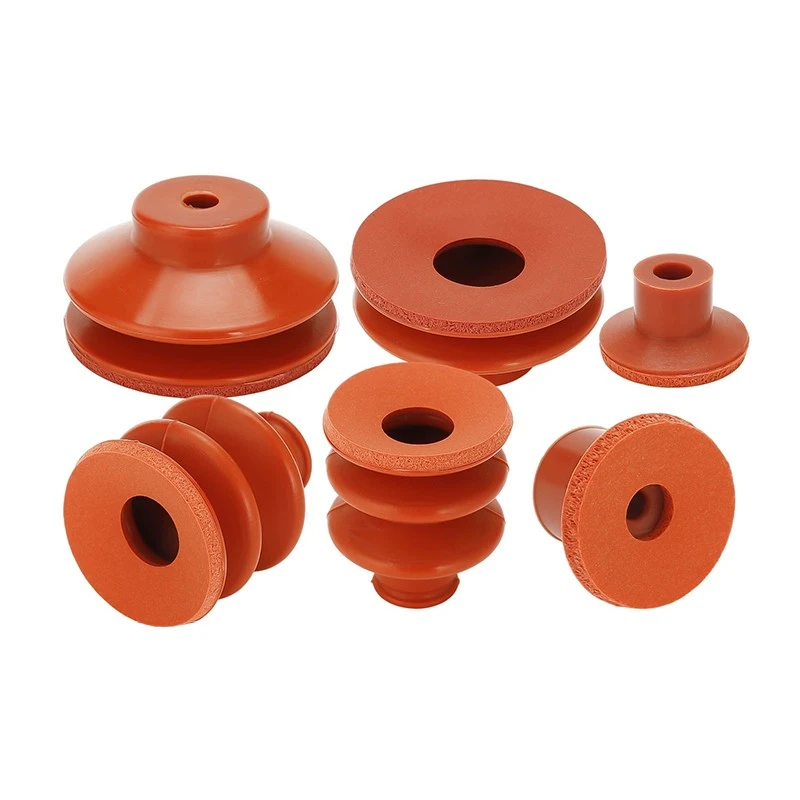
If you are interested in using silicone foam strip in your audio equipment, I encourage you to contact us to learn more about our products and how they can benefit your application. We are a leading supplier of Silicone Foam Strip, Silicone Door Seal Strip, and Silicone Sucker, and we have the expertise and experience to help you find the right solution for your needs.
References
- "Silicone Rubber: Properties and Applications." Elastomer Technology Handbook, edited by A. K. Bhowmick and H. L. Stephens, Marcel Dekker, 2001.
- "Foamed Silicone Rubber." Rubber Technology Handbook, edited by Werner Hofmann, Hanser Publishers, 1996.
- "Silicone Foam: A Versatile Material for Many Applications." Silicone Elastomers: Science and Technology, edited by R. N. Datta and M. S. El-Aasser, Marcel Dekker, 1999.