When it comes to storing batteries, many people often wonder about the most suitable and safe storage methods. One question that frequently arises is whether silicone jar covers can be used for storing batteries. As a supplier of silicone jar covers, I am here to delve into this topic and provide you with a comprehensive analysis.
Understanding Batteries and Their Storage Requirements
Before we discuss the suitability of silicone jar covers for battery storage, it's essential to understand the nature of batteries and their storage needs. Batteries are electrochemical devices that store and release energy. Different types of batteries, such as alkaline, lithium - ion, and nickel - metal hydride, have different chemical compositions and characteristics.
One of the primary concerns in battery storage is preventing short - circuits. A short - circuit can occur when the positive and negative terminals of a battery come into contact with each other or with a conductive material. This can lead to overheating, leakage, and in severe cases, even explosion. Additionally, batteries should be stored in a cool, dry place to slow down the self - discharge rate and extend their shelf life. High temperatures can accelerate the chemical reactions inside the battery, causing it to lose its charge more quickly and potentially damage the battery cells.
Properties of Silicone Jar Covers
Silicone is a synthetic rubber - like material known for its excellent properties. It is non - conductive, which means it does not allow the flow of electricity. This is a crucial characteristic when considering using silicone jar covers for battery storage. Since silicone is non - conductive, it can prevent the battery terminals from coming into contact with conductive materials, reducing the risk of short - circuits.
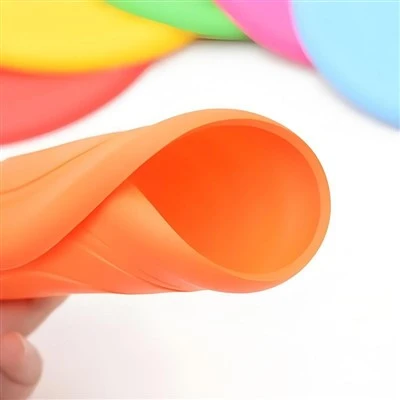
Silicone is also resistant to high and low temperatures. It can withstand a wide range of temperatures without losing its shape or integrity. This property is beneficial for battery storage as it can protect the batteries from extreme temperature fluctuations. Moreover, silicone is flexible and can form a tight seal when used as a jar cover. This helps to keep out moisture and dust, which are also factors that can affect battery performance.
Advantages of Using Silicone Jar Covers for Battery Storage
- Safety: As mentioned earlier, the non - conductive nature of silicone provides an extra layer of safety. When you store batteries in a jar with a silicone cover, you minimize the risk of short - circuits. This is especially important if you have loose batteries or batteries with exposed terminals.
- Protection from the Environment: The tight seal created by the silicone jar cover helps to protect the batteries from moisture and dust. Moisture can cause corrosion on the battery terminals, which can lead to poor electrical contact and reduced battery performance. Dust can also accumulate on the terminals and interfere with the flow of electricity.
- Organization: Using silicone jar covers to store batteries in jars allows for better organization. You can label the jars according to the type and size of the batteries, making it easier to find the batteries you need when you need them.
Potential Drawbacks
While there are many advantages to using silicone jar covers for battery storage, there are also a few potential drawbacks to consider.
- Limited Ventilation: Batteries can sometimes release small amounts of gas during the charging and discharging process. If the jar is completely sealed with a silicone cover, there may be limited ventilation, which could potentially lead to a build - up of gas inside the jar. However, this is usually only a concern for certain types of batteries, such as lead - acid batteries, and is less of an issue for common household batteries like alkaline and lithium - ion batteries.
- Size Compatibility: You need to ensure that the jars and silicone covers you use are the right size for the batteries. If the jar is too small, the batteries may not fit properly, and if it's too large, the batteries may move around inside the jar, increasing the risk of damage.
Other Silicone Products for Related Purposes
In addition to silicone jar covers, we also offer a range of other silicone products that can be useful in the kitchen and for storage. For example, our Silicone Placemats for Dining Table are not only stylish but also heat - resistant and easy to clean. They can protect your dining table from scratches and stains.
Our Silicone Basting Brush is a great tool for cooking. It is made of high - quality silicone, which is heat - resistant and non - stick. You can use it to baste meats, brush on oils, or spread sauces.
And if you're looking for a way to store food, our Silicone Food Storage Bags are a great option. They are reusable, airtight, and can be easily washed and dried for repeated use.


Conclusion
In conclusion, silicone jar covers can be a suitable option for storing batteries. Their non - conductive nature, temperature resistance, and ability to form a tight seal make them a safe and practical choice. However, it's important to be aware of the potential drawbacks, such as limited ventilation and size compatibility.
If you're interested in purchasing our silicone jar covers or any of our other silicone products, we invite you to contact us for a procurement discussion. We are committed to providing high - quality silicone products that meet your needs. Whether you're looking for a solution for battery storage or other kitchen and storage needs, we have the products and expertise to assist you.
References
- "Battery Storage and Handling Guidelines" - Battery University
- "Properties and Applications of Silicone" - Journal of Applied Polymer Science